

Shipping Methods
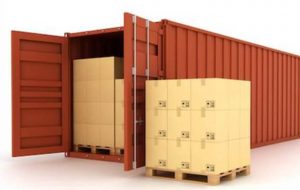
Shipping household goods, whether locally or internationally, takes careful planning. The best shipping method depends on your destination, timeline, shipment size, and budget.
Orbit International Moving has over 20 years of experience handling domestic and international moves. We have managed thousands of relocations across North America and worldwide. Our team works with trusted carriers and logistics partners to plan, track, and deliver each shipment smoothly.
Choosing the Right Shipping Method
Our relocation specialists review all available options and help you choose the best method for your move. In most cases, we can provide estimated transit times based on past experience and current shipping conditions.
International shipping can sometimes face delays due to customs inspections, port congestion, labor strikes, or regulatory changes. While these factors are outside our control, our team stays in close contact with you and works to reduce disruptions whenever possible.
Shipping by Ocean Freight
Ocean freight, also known as sea freight, is a cost-effective solution for international and overseas relocations. Although transit times are longer, this method is well-suited for full household shipments and larger volumes of goods.
Advance planning is important, as delivery timelines can range from several weeks to over a month, depending on the destination, routing, and port conditions.
Shipping by Road
Road freight is one of the most commonly used shipping methods within North America, particularly for moves between Canada, the United States, and Mexico. This option offers flexibility, reliable transit times, and cost efficiency for cross-border and long-distance relocations.
Road shipping is often ideal for full household moves, corporate relocations, and shipments requiring door-to-door service.
Shipping by Air Cargo
Air freight is the fastest shipping option available and is typically used when time is a critical factor. While it is more expensive than other methods, air cargo can be a practical solution for essential or high-priority items you may need immediately upon arrival.
Many clients choose air freight for a limited portion of their shipment, while the remainder is transported by sea or road.
Types of Ocean Freight Shipping
When shipping household goods overseas, ocean freight is typically categorized into three main shipment types:
Less than Container Load (LCL), Groupage, and Full Container Load (FCL). Each option is designed for different shipment sizes, timelines, and budgets.
1. LCL (Less than Container Load)
Less than Container Load (LCL) shipments are designed for moves that do not require exclusive use of a full shipping container. With LCL, your household goods are consolidated with shipments from other individuals or families and transported together in the same container.
LCL shipments are typically crated or palletized for protection and measured by total cubic volume. This option is commonly used for international moves when the shipment size does not justify the cost of a full container.
Advantages
- Suitable for small to medium-sized shipments, including partial household moves or a limited number of items.
- Allows you to ship any shipment size, even just a few boxes or select pieces of furniture.
- Often a cost-effective option when compared to booking an entire container for a smaller volume.
- Flexible solution for clients with limited cargo or budget constraints.
Disadvantages:
- Can become more expensive per cubic meter for larger shipments compared to full container options.
- Crating or palletizing reduces usable space, and charges are based on the total volume of the packed crate, not just the contents.
- LCL shipments are handled more frequently during consolidation and deconsolidation, increasing handling points.
- Transit times are generally longer due to the need to consolidate multiple shipments before departure and separate them at destination.
2. Groupage
Groupage shipping is similar to Less than Container Load (LCL); however, the key difference is that the consolidation is managed directly by the moving company you are working with, rather than by a third-party freight consolidator.
With groupage shipping, multiple smaller household goods shipments are combined into a single container, typically with shipments handled by the same mover or partner network. This approach allows for better coordination, consistent handling standards, and clearer accountability throughout the shipping process.
Advantages:
- A cost-effective option for small to medium-sized international shipments.
- Consolidation is handled by the moving company, often resulting in better oversight and quality control.
- Suitable for partial household moves and shipments that do not require exclusive container use.
Disadvantages:
- Less economical for larger shipments when compared to full container loads (FCL).
- Transit times may be longer, as the moving company must accumulate enough groupage shipments to fill a container before departure.
- Departure schedules depend on how quickly grouped shipments are collected, which can affect overall delivery timelines.
3. FCL (Full Container Load)
Full Container Load (FCL) shipping is typically used for larger household shipments or when clients require greater control over transit timing compared to LCL or groupage shipments. With FCL, you rent the exclusive use of an entire shipping container, meaning no other shipments are loaded alongside your goods.
FCL is often recommended for international moves where shipment size, security, and predictable scheduling are important considerations.
Types of Containers Available
The table below outlines the approximate internal dimensions and usable volumes of the most commonly used shipping containers for household goods. Measurements are provided in both imperial and metric units for clarity.
Note: Net volume represents realistic usable space for household goods after accounting for packing inefficiencies. Actual capacity may vary depending on packing method and item configuration.
For household goods shipping, three standard container types are commonly used:
| Type | Internal Length | Internal Width | Internal Height | Volume |
|---|---|---|---|---|
| 20’ Standard Container | 19’ 4” / 5.9 m | 7’ 8” / 2.35 m | 7’ 10” / 2.39 m |
Gross: ~1,172 cu ft / 33.2 m³ Net: ~950–1,050 cu ft / 28–30 m³ |
| 40’ Standard Container | 39’ 5” / 12.0 m | 7’ 8” / 2.35 m | 7’ 10” / 2.39 m |
Gross: ~2,387 cu ft / 67.6 m³ Net: ~1,900–2,200 cu ft / 58–62 m³ |
| 40’ High Cube (40’ HC) | 39’ 5” / 12.0 m | 7’ 8” / 2.35 m | 8’ 6” / 2.58 m |
Gross: ~2,690 cu ft / 76.4 m³ Net: ~2,300–2,500 cu ft / 68–72 m³ |
Gross Volume vs. Net Volume
- Gross volume refers to the total internal capacity of the container if it were completely filled (for example, with liquid).
- Net volume represents the actual usable space available when loading household goods.
Due to the shape and packing characteristics of furniture and personal effects, not all space can be utilized efficiently. As a result, there is typically a 15–20% difference between gross and net volume. Professional packing and loading techniques are essential to maximize usable space and minimize wasted volume.
Advantages of FCL Shipping:
- When access permits, containers are loaded and sealed directly at your residence, remaining sealed until arrival at your new home.
- If direct container access is not possible, goods are transported by shuttle truck to a secure warehouse for container loading.
- Easier to estimate arrival windows, making FCL ideal for time-sensitive relocations.
- Containers are sealed with a high-security numbered seal, simplifying customs verification and improving shipment security/
- If a customs inspection is required, clients should request a customs examination report to document the process.
Disadvantages of FCL Shipping
- Once the container arrives at the destination port, free storage time is limited.
- Port storage charges increase progressively, and shipping lines typically begin charging container detention or rental fees after approximately one week.
- If destination storage is required, advance planning with your moving company is strongly recommended to reduce costs and explore alternative solutions.
Potential Delay Factors
While FCL offers more control, international shipping can still be affected by external factors, including:
- Seasonal surges in container traffic, particularly during summer months
- Port congestion, labor shortages
- Security issues, geopolitical events, or emergencies affecting port operations
- Shortages of trucks, drivers, or containers
- Vessel overbooking or limited sailing availability
- Customs inspections, regulatory delays, or force majeure events (such as strikes, border congestion, pandemics, or conflicts)
Delivery Timing Considerations
Once your FCL shipment arrives at the destination port, additional time is required for customs clearance and final delivery coordination. Full container deliveries typically require several days to schedule, while LCL shipments may take up to two weeks after arrival due to deconsolidation.
We recommend coordinating your preferred delivery window with your moving consultant well in advance. During peak seasons, exact delivery dates may be difficult to guarantee, so flexibility is key.